

Eye Infection & Inflammation Care

Eye Infections
If you’ve noticed some pain, swelling, itching, or redness in your eye, you likely have an eye infection. Eye infections fall into three specific categories based on their cause: viral, bacterial, or fungal, and each is treated differently.
The good news is eye infections aren’t hard to spot, so you can seek treatment quickly. Many eye infections go away on their own or with simple treatment. Less commonly, an eye infection can be very serious and require immediate medical attention.
Anytime you suspect an eye infection, you should always visit an eye doctor. Trying to self-diagnose your condition can delay treatment and, in rare cases, even threaten your vision. Here’s everything you need to know about the most common eye infections so you can figure out the cause and what to do about it.
Common Types of Eye Infections

Conjunctivitis
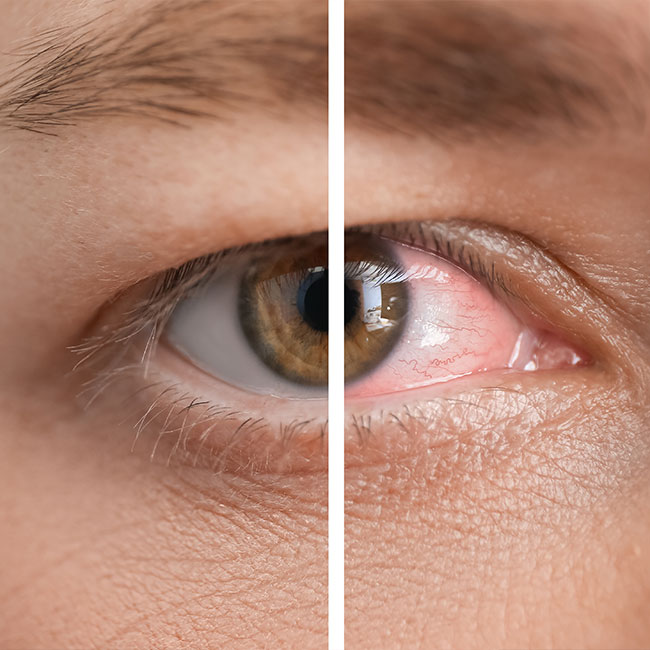
Conjunctivitis – or pink eye, is an inflammation of the conjunctiva, the clear mucous membrane that covers the white part of the eyeball and the inside of the eyelid. It is the most common eye infection in the United States.
Keratitis
Keratitis – also known as “corneal ulcer,” is an inflammation of the cornea – the clear, dome shaped window located at the front of the eye that covers the iris and pupil. Keratitis resulting from infections (called infectious keratitis) can be caused by bacteria, viruses, fungi, and parasites.
Uveitis
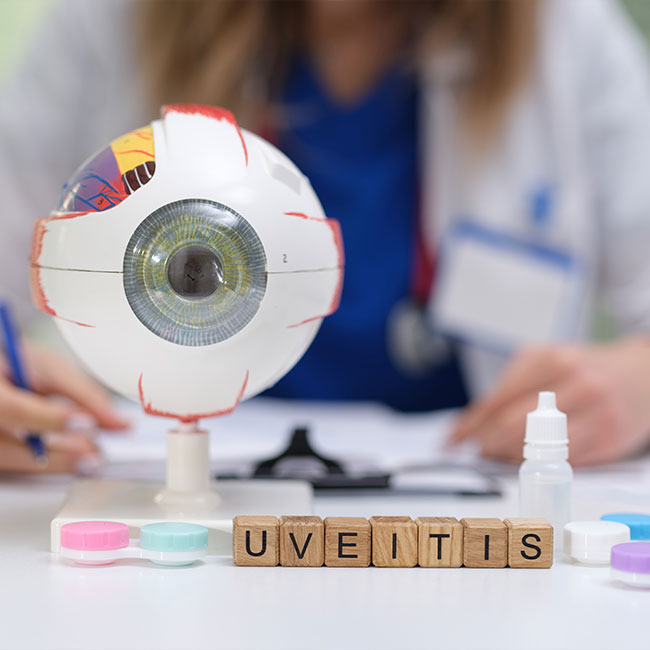
Uveitis – is inflammation of the uvea, which is the middle layer of the eyeball that contains the iris.

Blepharitis
Blepharitis – is inflammation of the eyelids. Causes include bacterial infection, allergies, clogged oil glands in the eyelids, and certain skin conditions. There are two main types of blepharitis:
- Anterior blepharitis: This affects the eyelash area, and dandruff or bacteria can be the cause.
- Posterior blepharitis: This affects the inner eyelid. Problems with the oil glands in the eyelids can cause this type. Other causes include acne, rosacea, and seborrheic dermatitis.
Thyroid Eye Disease
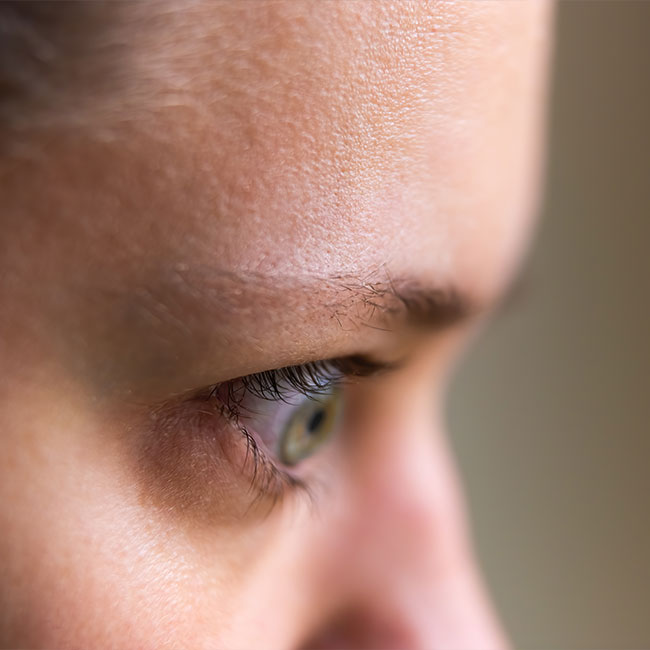
Thyroid Eye Disease – (TED), sometimes called Graves’ ophthalmopathy or Graves’ Eye Disease, is a condition in which the eye muscles, eyelids, tear glands and fatty tissues behind the eye become inflamed.It occurs when the body’s immune system attacks the tissue surrounding the eye causing inflammation in the tissues around and behind the eye. In most patients, the same autoimmune condition that causes TED also affects the thyroid gland, resulting in Graves’ disease.
Stye & Chalazion
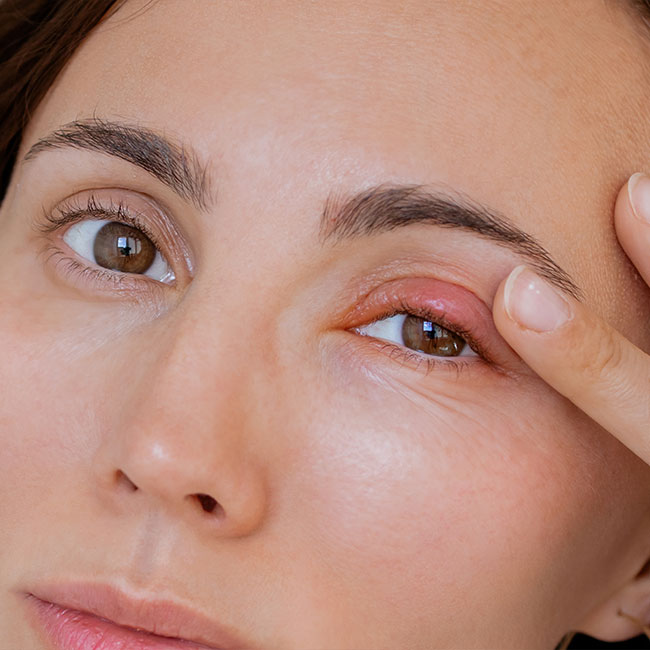
Stye & Chalazion – are caused by blocked oil glands on the eyelid. They usually go away on their own, without threatening your sight or overall ocular health. However, if your stye or chalazion does not clear up by itself, or if it is causing you significant discomfort, you may need medical treatment. Our doctors are ready to provide effective treatment, usually starting with antibiotic medication. If you require further care, you may benefit from minor surgery to remove or lance the blockage. Our doctors use gentle, precise techniques to minimize your discomfort during these simple procedures.

Endophthalmitis
Endophthalmitis – is an infection of the tissues or fluids inside the eyeball. It is an urgent medical emergency. If you have symptoms, see an ophthalmologist as soon as possible. Endophthalmitis can blind you if it’s not treated quickly. There are two main types of endophthalmitis:
- Exogenous Endophthalmitis – This is the most common type of endophthalmitis. With this type, the source of the infection comes from outside the body. Bacteria or fungi get inside the eye from surgery, an injection into the eyeball or an eye injury.
- Endogenous Endophthalmitis – This is the second main type of endophthalmitis. It starts as an infection in another part of the body and spreads to the eye.

When to See an Eye Doctor
Some eye infections, such as a stye or blepharitis, respond well to home care. However, other eye infections, such as endophthalmitis, are serious and can potentially lead to a permanent loss of vision. If a person has signs of an eye infection, they should contact a doctor. Severe symptoms, such as extreme pain or a sudden loss of vision, require emergency medical care.
Likewise, if symptoms of a stye, blepharitis, or conjunctivitis fail to improve with home care, people should see a doctor. Diagnosis and treatment of inflammatory eye diseases are important. They can cause permanent damage to the eyes and vision loss that cannot be reversed. If you notice any of the signs or symptoms of inflammatory eye disease, make an appointment to see your eye doctor right away for a complete eye exam and thorough examination of the eyes.
Eye injections and cataract surgery are two of the most frequent eye procedures that cause endophthalmitis, though it is not common. If you do have these symptoms, see your ophthalmologist right away. The infection can get worse very quickly.