

LASIK Eye Surgery
LASIK Surgery — The Complete Guide by SightMD
LASIK eye surgery is a proven, life-changing solution for people who want clearer vision without the daily reliance on glasses or contact lenses.
At SightMD, our board-certified LASIK surgeons combine advanced laser technology with personalized care to deliver safe, precise, and lasting results tailored to your vision needs.
What is LASIK Eye Surgery?
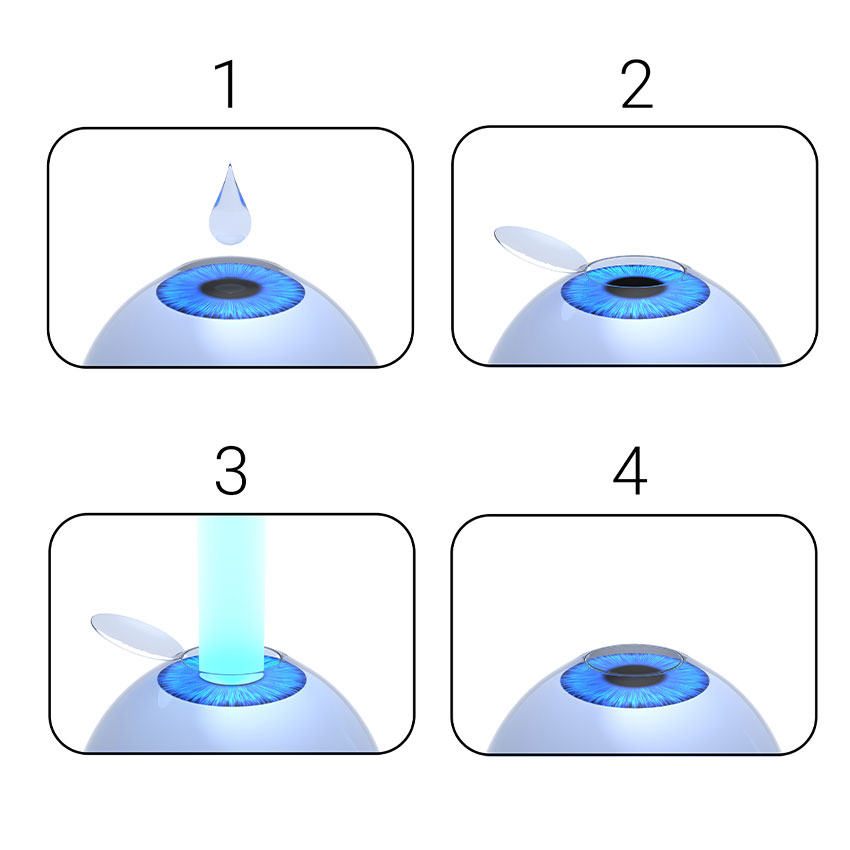
Laser Vision Correction Surgery, commonly known as LASIK, or Laser-Assisted In-Situ Keratomileusis, is an innovative surgical technique that permanently reshapes the cornea, enabling light to focus accurately on the retina—the light-sensitive tissue located at the back of the eye—resulting in clearer, sharper vision and reduced dependence on glasses and contact lenses.
With over 40 million procedures completed, LASIK is the most popular and widely trusted elective vision correction procedures in the United States. If you’re tired of the hassle and expense of corrective eyewear, LASIK could be the answer.

Am I A Candidate for LASIK Eye Surgery?
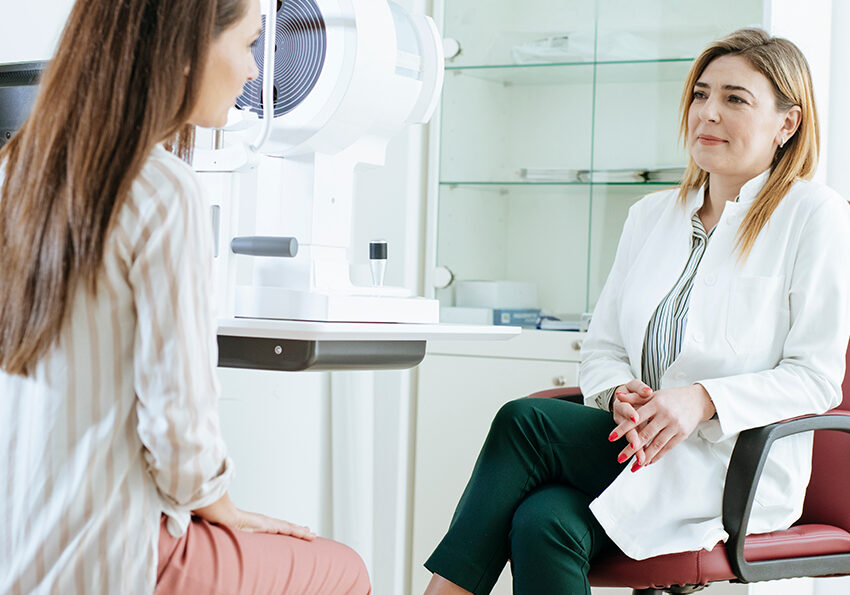
LASIK is a highly effective vision correction option, but it is not right for everyone. Determining candidacy requires a comprehensive LASIK consultation and eye exam, which includes advanced diagnostic testing to evaluate your eye health, prescription stability, and overall suitability for the procedure. This thorough evaluation allows your surgeon to recommend the most appropriate vision correction option for your needs.
General qualifications for LASIK or other laser vision correction procedures may include, but are not limited to:
- At least 18 years of age
- No significant medical or eye problems
- A stable glasses or contact lens prescription for at least 2-3 years
- A prescription within parameters recommended by your eye surgeon
- No significant dry eye
What Does LASIK Surgery Correct?
LASIK is performed to correct the refractive errors of nearsightedness, farsightedness, presbyopia and astigmatism. Refractive errors are the way the eye focuses light and are not considered an eye disease, because it is actually based on the way your eye is shaped or structured.
LASIK fixes the corneal shape that causes these refractive errors so light can focus directly on the retina. If you are interested in correcting your refractive error, you should be thoroughly evaluated by a LASIK surgeon.
What are the Benefits of LASIK?
LASIK surgery offers meaningful benefits for many people who rely on glasses or contact lenses. If you’re looking for clearer vision and greater freedom in your daily life, LASIK may be an effective solution.

Enhanced Vision
Many patients achieve 20/20 vision or better after LASIK, while others experience a significant improvement in clarity. Even when perfect vision isn’t achieved, most patients find they rely far less on glasses or contact lenses following the procedure.
Safety
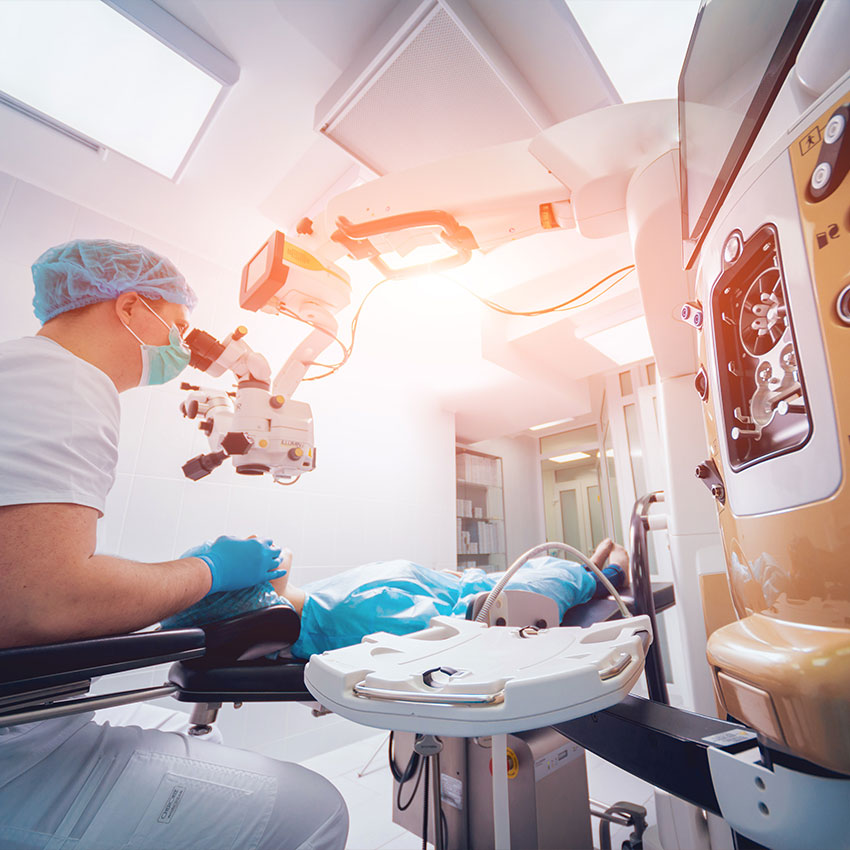
LASIK is safer than ever before thanks to major advancements in laser technology and modern surgical techniques. When performed by SightMD’s board-certified LASIK surgeons, the procedure offers a strong safety profile with a low risk of complications.

Fast Healing
LASIK recovery is typically quick, with many patients returning to work, driving, and normal activities within 24 to 36 hours. Minimal downtime following a LASIK procedure allows you to enjoy improved vision without prolonged interruption to your normal routine.
What are the Risks and Side Effects of LASIK?
LASIK is a safe and effective procedure when performed by experienced surgeons using modern technology. However, while significant complications from LASIK are uncommon, all surgeries have potential risks and side effects — LASIK being no different.
Possible risks of LASIK surgery include (but are not limited to) light sensitivity, dry eye, redness, blurred vision, glare, halos, and flap-related complications. Because each patient has a unique set of eyes, the type and severity of side effects will vary — if experienced at all.
LASIK vs. PRK
LASIK is a procedure that creates a thin flap in the outer layers of the cornea, allowing laser vision correction to be performed beneath the surface. This widely trusted approach typically offers rapid visual recovery and is well suited for many patients seeking quick improvement in vision.
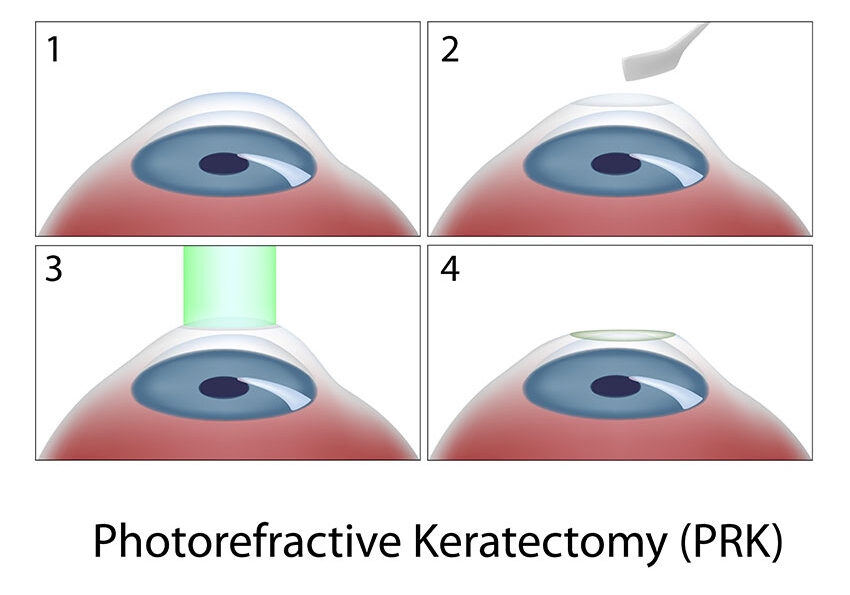
PRK (photorefractive keratectomy), or advanced surface ablation, is a surface-based laser vision correction procedure that reshapes the cornea without creating a flap. Because less corneal tissue is involved, PRK is often recommended for patients with thinner corneas or certain corneal conditions. PRK delivers visual outcomes comparable to LASIK, though recovery may take slightly longer.
Why Choose SightMD for LASIK Eye Surgery

Cutting-Edge Laser Surgery Centers
Unlike typical in-office laser facilities, SightMD’s surgical suites are designed specifically for laser vision correction, providing an ideal environment that prioritizes patient comfort, safety, and experience.
Patients are welcomed through a private entrance into a calm, spa-inspired setting. Our LASIK surgery centers meticulously monitor and control humidity, temperature, and air quality, with each room maintained to the highest standards of cleanliness to support optimal surgical outcomes.

World Class LASIK Surgeons
All LASIK procedures at SightMD are performed by board-certified LASIK Surgeons through the American Board of Ophthalmology with specialized training in laser vision correction.
Our surgeons bring years of hands-on experience to every procedure and remain committed to ongoing education in the latest techniques and technology. This dedication ensures each patient receives expert care focused on safety, precision, and long-term visual success.
Lifetime Commitment
When you choose LASIK eye surgery at select SightMD locations, you are investing in your vision health for the long term. Should any enhancements be needed after your LASIK procedure, our surgeons will offer follow-up treatments using the same technology at no additional cost to you. We take great pride in the care we provide and want you to feel confident in the quality of your vision both during and after your laser procedure.
Please Note: This lifetime commitment is available at select SightMD locations and may not be offered at all practices.

Advanced LASIK Technology at SightMD
The success of LASIK depends heavily on the technology used during the procedure. SightMD invests in advanced laser systems and diagnostic tools to ensure accuracy, safety, and customization for each patient.
The digital scanning technology used at SightMD was originally developed by NASA for high-powered telescopes and later adapted for medical use. Our surgeons use this detailed eye-mapping technology to identify and analyze even the smallest imperfections in your eyes.
Patient Testimonials
How Much Does LASIK Surgery Cost?
Many patients considering LASIK surgery often worry about the cost. LASIK eye surgery typically ranges from $2,200 to $3,500 per eye. At SightMD, we offer a free consultation to assess your eligibility. After determining your eligibility, we will discuss the cost of LASIK eye surgery and available payment options.
Keep in mind that LASIK costs can vary by provider and depend on several factors, including:
- your location
- experience of the surgeon
- what technique will be used
- what costs are included

Is LASIK Covered By Insurance?
Generally, LASIK is considered elective surgery and is not usually included in insurance plans. However, there are financing options to help manage the cost.
At SightMD, we offer CareCredit, a financing program from General Electric that supports elective medical procedures. This allows you to receive laser eye treatment and pay in manageable monthly installments. Depending on your credit, you might qualify for interest-free payment plans, as well as extended plans at competitive rates.

What to Expect After LASIK Surgery
Many patients notice improved vision within 24 hours of LASIK surgery, though mild blurriness, dryness, or light sensitivity may occur during the first few days as the eyes heal. Your doctor may prescribe eye drops to support healing and reduce the risk of infection or inflammation. Protective eyewear may also be recommended, especially while sleeping, and patients should avoid rubbing their eyes.
Follow-up appointments, including a visit within 24 hours after surgery, allow your doctor to monitor healing and vision progress. Vision typically continues to stabilize over the following weeks.
LASIK Surgery FAQs:
Individuals aged over 40 or 50 can still significantly benefit from undergoing LASIK surgery. This procedure represents a worthwhile investment when compared to the lifelong use of glasses or contacts. Undergoing LASIK at this stage of life can offer enhanced vision for many years following the surgery. However, it’s crucial to maintain realistic expectations about the outcomes.
Typically, there is no upper age limit for LASIK surgery. Eligibility hinges on several factors: maintaining overall good health, having a stable vision prescription, appropriate corneal structure, and being over 18 years of age. Therefore, each patient is assessed individually to determine if they fulfill these criteria. LASIK surgery is an effective option for patients until they develop cataracts. Once cataracts form, we transition to cataract surgery. After the cataract procedure, we can use LASIK for fine-tuning vision.
The LASIK procedure is remarkably quick. The duration of your appointment and the time required to perform LASIK on each eye can differ significantly from one patient to another. Generally, LASIK eye surgery takes less than 10 minutes per eye, although individual procedure times may vary. This information can be quite reassuring for patients who may feel nervous or anxious about undergoing laser vision correction. We recommend arriving an hour before your procedure, and we will monitor you shortly afterwards, making the entire process last just a few hours.
You need to be awake during the procedure, but we provide oral sedation to help you relax, along with numbing eye drops. The entire process is very quick, typically taking around 10 minutes for both eyes, with the LASIK procedure itself lasting just one to two minutes per eye.
The cost of LASIK eye surgery varies depending on several factors, including the provider. Key factors influencing the price include:
- Required Vision Correction: The cost tends to be higher for individuals with severe vision impairment. The price varies based on your specific prescription needs.
- Laser Technology: The cost is also affected by the type of laser technology used. Advanced technologies like custom LASIK usually cost more. This is partly due to additional fees that laser device manufacturers charge surgeons, which may be passed on to patients. The specific laser surgery type recommended by your surgeon, aimed at ensuring the best outcome for you, can also affect the cost. It’s important to ask for a detailed price breakdown of the LASIK procedure you’re considering.
- Surgeon’s Experience: The skill and experience of the surgeon performing the LASIK surgery can also impact the cost. Highly experienced surgeons often charge more due to their higher skill level.
Generally, the majority of individuals undergoing LASIK (laser-assisted in situ keratomileusis) eye surgery attain vision of 20/20 or better, which is sufficient for most daily activities. However, as they age, many of these individuals will still require glasses for specific tasks like night driving or reading.